
Menopause and Bad Breath: Why More Women Are Discovering the Connection
Lior HendlerHot flashes are widely discussed. Night sweats get attention. Mood swings, sleep disruption, and hormonal changes are now part of mainstream conversation.
But there's another menopause symptom many women quietly experience - and rarely talk about: bad breath.
For many women entering perimenopause or menopause, changes in oral freshness, dry mouth, and persistent breath odor can suddenly appear seemingly out of nowhere. You brush your teeth. You use mouthwash. You stay healthy. And still, your breath feels different.
At Aspira Breath, this is one of the most common themes women describe when discovering long-lasting oral-care alternatives beyond gum and mints.
Can Menopause Cause Bad Breath?
Yes - menopause can absolutely contribute to bad breath. The biggest reason is usually dry mouth.
As estrogen levels fluctuate and decline during menopause, saliva production may decrease. Saliva plays a critical role in maintaining oral balance and naturally washing away odor-causing bacteria.
When saliva levels drop:
- Bacteria can multiply more easily
- Sulfur compounds build up faster
- The tongue coating may worsen
- The mouth feels dry or sticky
- Breath may become noticeably stronger
Many women during menopause describe "morning breath all day," constant dryness, a sour or metallic taste, feeling less fresh despite brushing, and needing gum throughout the day. This is one reason menopause-related breath concerns are becoming a growing conversation in oral care.
Why Dry Mouth Matters More Than People Think
Most people think saliva is just moisture. It's much more than that.
Saliva helps:
- Rinse away food particles
- Support healthy oral bacteria balance
- Reduce volatile sulfur compounds (VSCs)
- Protect the mouth from excessive dryness
When saliva decreases, odor-producing bacteria thrive more easily. That's why many women find themselves searching for menopause bad breath solutions, dry mouth remedies, long-lasting breath fresheners, and breath support without constant gum or mouthwash.

Why Gum and Mouthwash Often Stop Feeling Effective
Many traditional breath products are designed for quick bursts of freshness. But menopause-related dry mouth often requires something different.
Mints dissolve quickly. Gum loses effect fast. Some alcohol-based mouthwashes may even increase dryness over time. That creates a frustrating cycle: mouth feels dry, breath worsens, more gum or mouthwash, mouth becomes even drier.
Many women say they become hyper-aware of their breath throughout the day - especially during meetings, dates, close conversations, social events, and intimate moments.
A Different Oral-Care Approach During Menopause
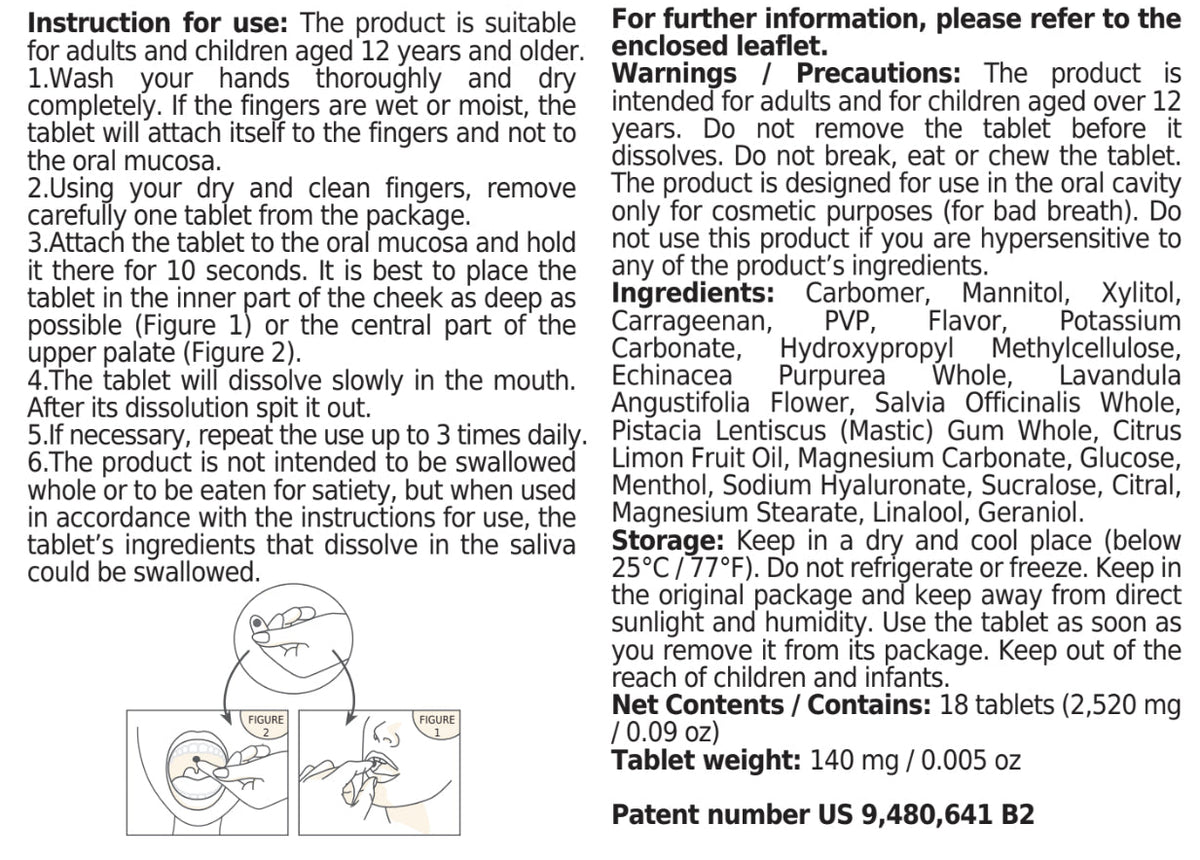
Unlike gum or sprays, Aspira Breath Tablets use a patented slow-release mucoadhesive tablet that gently attaches to the palate or upper gum area. The tablet gradually dissolves over time while delivering ongoing freshness support throughout the day.
Aspira contains a blend of plant-based ingredients, including echinacea, lavender, salvia (sage), and mastic gum. Instead of creating a strong mint "burst" that disappears quickly, Aspira was designed to support a calmer, longer-lasting feeling of oral freshness. Many users describe it less like a mint - and more like an all-day oral-care ritual.

Why Menopause Breath Impacts Confidence So Deeply
Bad breath affects more than the mouth. It affects confidence.
Many women quietly describe pulling back socially, avoiding close conversations, feeling anxious before dates, constantly checking their breath, carrying gum everywhere, and feeling self-conscious at work. Menopause already brings enough physical and emotional changes. Worrying about your breath on top of everything else can feel exhausting.
At Aspira, confidence is a major part of the conversation - because fresh breath is not just about hygiene. It's about feeling comfortable being close to people again.
Tips That May Help Menopause-Related Bad Breath
1. Stay Hydrated
Dry mouth often becomes worse with dehydration.
2. Clean the Tongue Daily
Tongue buildup can contribute significantly to odor.
3. Avoid Overusing Alcohol Mouthwash
Especially if dryness is already an issue.
4. Support Saliva Production
Sugar-free gum may help temporarily for some people.
5. Consider Long-Lasting Oral-Care Products
Many women are now exploring slow-release options like Aspira Breath Tablets that support freshness beyond a few minutes.
6. Speak With a Dentist
Persistent bad breath may sometimes relate to gum health, medications, reflux, sinus issues, or other underlying conditions.
The Bottom Line
If your breath feels different during menopause, you are not imagining it. Hormonal changes can absolutely affect the mouth - especially through dryness and changes in oral balance.
The good news is that awareness around menopause-related bad breath is finally growing, and women are beginning to realize they are not alone. That's also why oral-care innovation is evolving to meet the real needs of women in midlife and beyond.

Part of our guide to what causes bad breath — VSCs, where they come from, and what reduces them.