
The Wedding Day Breath Plan: How to Stay Fresh From "I Do" to the Last Dance
An hour-by-hour breath plan for brides, grooms, and the wedding party — built for a long day of close talking, close kissing, and a thousand photos.
Few days demand more close-talking, photo-taking, and confident kissing than a wedding. And few days are more stressful for your mouth. Between the nerves, the champagne, the missed meals, and the hours of conversation, your breath has to perform on a day when almost everything is working against it.
The good news: with a little planning, this is one of the easier wedding-day variables to control. Below is a practical hour-by-hour plan — what to do the night before, the morning of, before the ceremony, and during the reception — plus the small kit you'll want to keep tucked away for quick refreshes.
Why Your Wedding Day Is Quietly Working Against Your Breath
Most bad breath starts in the mouth, where naturally occurring bacteria break down food particles and proteins into volatile sulfur compounds (VSCs) — the molecules responsible for that classic "morning breath" smell. Saliva is the mouth's main natural defense; it rinses, dilutes, and helps keep bacterial activity in check.
A wedding day stacks up almost every condition that interferes with that defense:
- Stress and adrenaline. Pre-ceremony nerves are often associated with reduced saliva flow and a noticeably drier mouth.
- Champagne, prosecco, and cocktails. Alcohol may dehydrate, and sugary mixers feed odor-producing bacteria.
- Missed or rushed meals. Many couples report eating very little on the day itself; long stretches without food can reduce saliva stimulation.
- Hours of talking. Continuous speaking dries the mouth and shifts breathing toward the mouth rather than the nose.
- Limited bathroom access. Between portraits, the ceremony, and the receiving line, brushing windows are realistically rare.
None of these is a problem on its own. Stacked together, they explain why so many people report that their breath feels "off" on the most photographed day of their life.
Why Mints and Gum Tend to Let You Down
Mints and gum are the default solution — and for short windows they're useful. The catch is that they mostly mask odor for minutes rather than addressing the conditions producing it. A mint dissolves in three to five minutes; gum loses most of its flavor inside ten. The bacteria producing the smell keep working underneath.
Gum also isn't always wedding-friendly. It's awkward in photos, conspicuous during vows, and a logistical problem when you're constantly being introduced to new people. What couples typically need is something quieter and longer-lasting that doesn't require a pause every fifteen minutes.
The Hour-by-Hour Wedding Day Breath Plan
The Night Before
- Hydrate, but stop early. Aim to drink water steadily through the day before, then taper an hour or two before bed so sleep isn't interrupted.
- Skip the late-night garlic. Garlic, onion, and heavily spiced dishes can produce odor compounds that may linger for many hours after eating, because some are absorbed and exhaled through the lungs. Save those for the rehearsal lunch instead of the rehearsal dinner.
- Do a thorough oral care routine. Brush, floss, and clean the back of the tongue — the tongue is where much of the bacteria responsible for morning breath accumulates.
- Try to actually sleep. Mouth-breathing during a restless night may worsen morning dryness — a humidifier in the bedroom is a small thing that can help.
The Morning Of
- Water before coffee. A large glass of water on waking helps rehydrate the mouth before caffeine and acidity get involved.
- Eat something. Even a small breakfast stimulates saliva and keeps the mouth's natural defenses online. Couples who skip breakfast often report the dryness catching up with them by mid-ceremony.
- Brush, floss, and tongue-clean again. This is your last unhurried opportunity until the reception is well underway.
- Avoid heavy mouthwash right before lipstick or photos. Some alcohol-based rinses may leave the mouth temporarily drier — counterproductive when you need saliva most.
Pre-Ceremony (the 60–90 Minutes Before)
This is the highest-stakes window. Adrenaline is peaking, you're posing for portraits, and you're about to do a lot of close-up talking with people you may not have seen in years.
- Sip water between every photo set. Small sips beat large gulps — the goal is steady moisture, not a full bladder thirty seconds before walking down the aisle.
- Breathe through your nose when you can. Mouth-breathing dries the oral cavity quickly. Nasal breathing during quiet moments is a small reset.
- Skip the sugary pre-ceremony snack. Candy and sugary drinks feed the same bacteria you're trying to keep quiet.
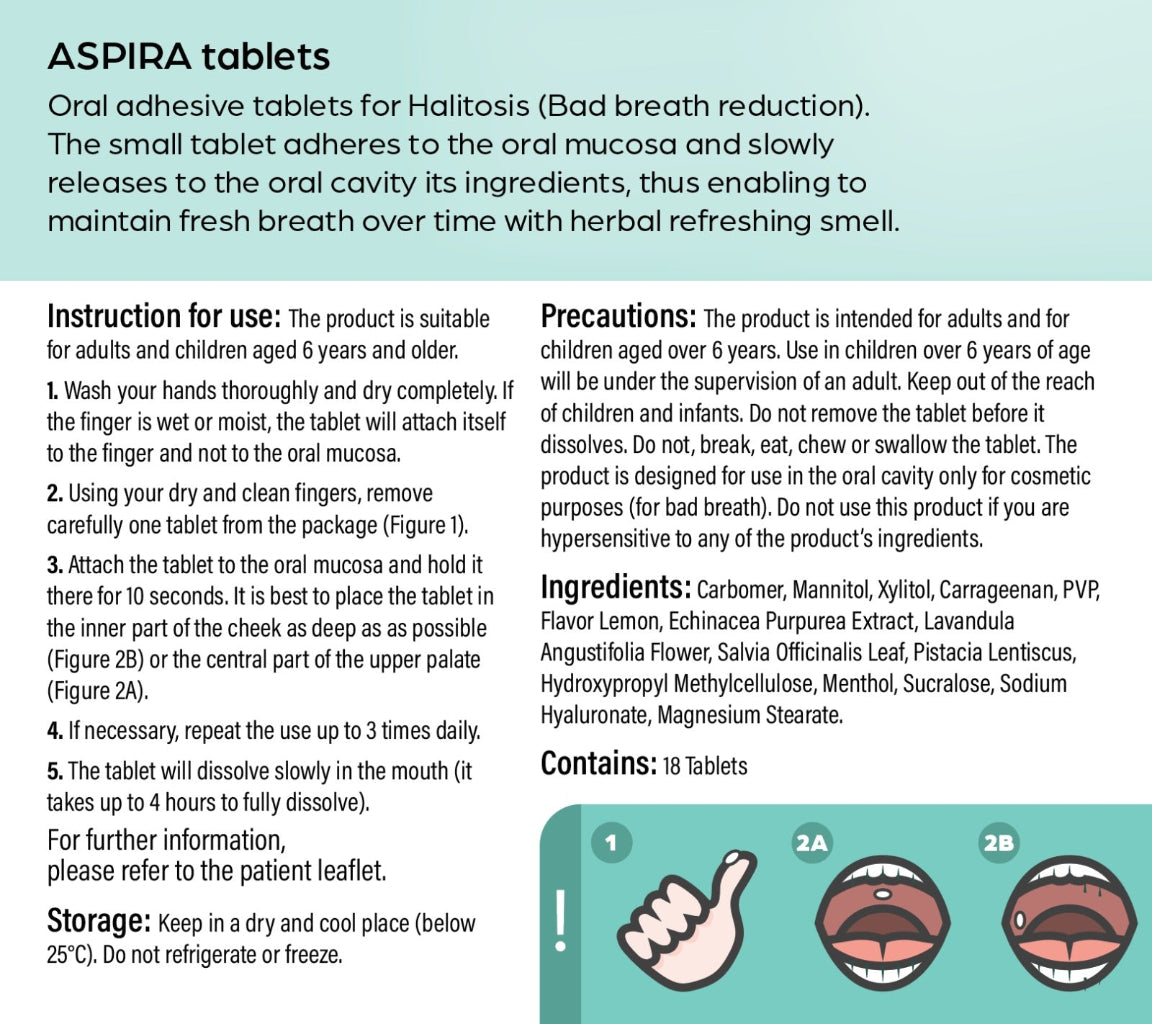
- Pre-position something long-lasting. An ASPIRA tablet placed against the inner cheek about 15 minutes before the ceremony adheres and dissolves slowly, so plant-based actives stay in contact with the oral environment through vows, photos, and the receiving line — without anything visible or anything to chew.
The Ceremony to Cocktail Hour
You've made it through the vows. Now the real talking starts — and so does the alcohol.
- Alternate alcohol with water. One-to-one is a useful rule. Sparkling water between cocktails is also less obvious than asking for a regular water break.
- Watch the cocktail choices. Highly sugary cocktails and garlic-forward hors d'oeuvres are common offenders. Champagne is generally fine in moderation; the issue is usually quantity and dehydration rather than the drink itself.
- Refresh discreetly. A quick water break between conversations is more effective than a mint that disappears halfway through the next greeting.
The Reception
- Eat your meal. Skipping the plated dinner is a common regret — both for energy and for breath. Chewing stimulates saliva, and protein-and-vegetable courses are friendlier than grazing on hors d'oeuvres for hours.
- Hydrate before the dance floor. Once dancing starts, you'll be breathing harder and through your mouth more. A glass of water before the first dance pays off later.
- Plan a discreet refresh window. Right before the speeches and right before the cake-cutting are good moments for a quick check-in.
- Use a long-lasting option for the back half of the night. A second ASPIRA tablet during the dinner-to-dancing transition can carry through the rest of the reception when bathroom breaks are least convenient.
The Morning After
If breath feels rough the next morning, the cause is usually a stack of dehydration, alcohol, and a long day of mouth-breathing rather than anything alarming. Water, a normal breakfast, a careful brush and tongue-clean, and a quiet recovery day usually reset things.
What to Pack in a Wedding-Day Oral Kit
Keep this small and somewhere accessible — a clutch, a groomsman's pocket, or the maid of honor's emergency bag. The goal is items you can use without a mirror or a sink.
- A travel-size bottle of water (or two)
- ASPIRA tablets (a few, for staged use through the day)
- A soft toothbrush and travel toothpaste, in case there's a real window
- Floss picks (faster than thread floss in a bridal suite)
- Sugar-free, non-staining mints — useful as a backup, not the primary plan
- A small lip balm; chapped lips often go with a dry mouth
What to skip: heavy alcohol-based mouthwash (drying), strong-flavored gum (visible and conspicuous), and anything bright-colored that could end up on your teeth in photos.
A Note on Confidence
Many people report significant social anxiety around breath, and it tends to spike at exactly the moments where confidence matters most — first impressions, important conversations, and yes, your wedding. Having a plan is most of the work. By the time you're walking down the aisle, you want to be thinking about the person at the other end, not the last sip of coffee you had.
Frequently Asked Questions
How early before the ceremony should I prepare?
Most couples find that the heaviest preparation happens the night before and on waking. The hour before the ceremony is for small refreshes — water, nasal breathing, and pre-positioning a long-lasting option — rather than a full brush.
Is it safe to use ASPIRA right before kissing?
ASPIRA is designed to dissolve slowly against the inner cheek or roof of the mouth, so it's not in the way during a kiss the way a mint or gum would be. Many users place a tablet 10–20 minutes before they expect close conversation.
What if I have allergies that day?
Allergic rhinitis and post-nasal drip can independently affect breath, and many antihistamines are thought to reduce saliva. If allergies are a known issue, talk to your doctor about timing and choice of medication, and lean harder on hydration.
Will champagne ruin my breath?
In moderation, no. The bigger contributors are usually dehydration, sugary mixers, and the long stretch between brushings. Pacing and water do more than avoiding any single drink.
The Bottom Line
Wedding-day breath is rarely about a single mistake. It's about a stack of small conditions — stress, dehydration, alcohol, missed meals, hours of talking — that hit together. A simple plan, a small kit, and a long-lasting option that doesn't require constant attention is usually enough to take this off the list of things to worry about.
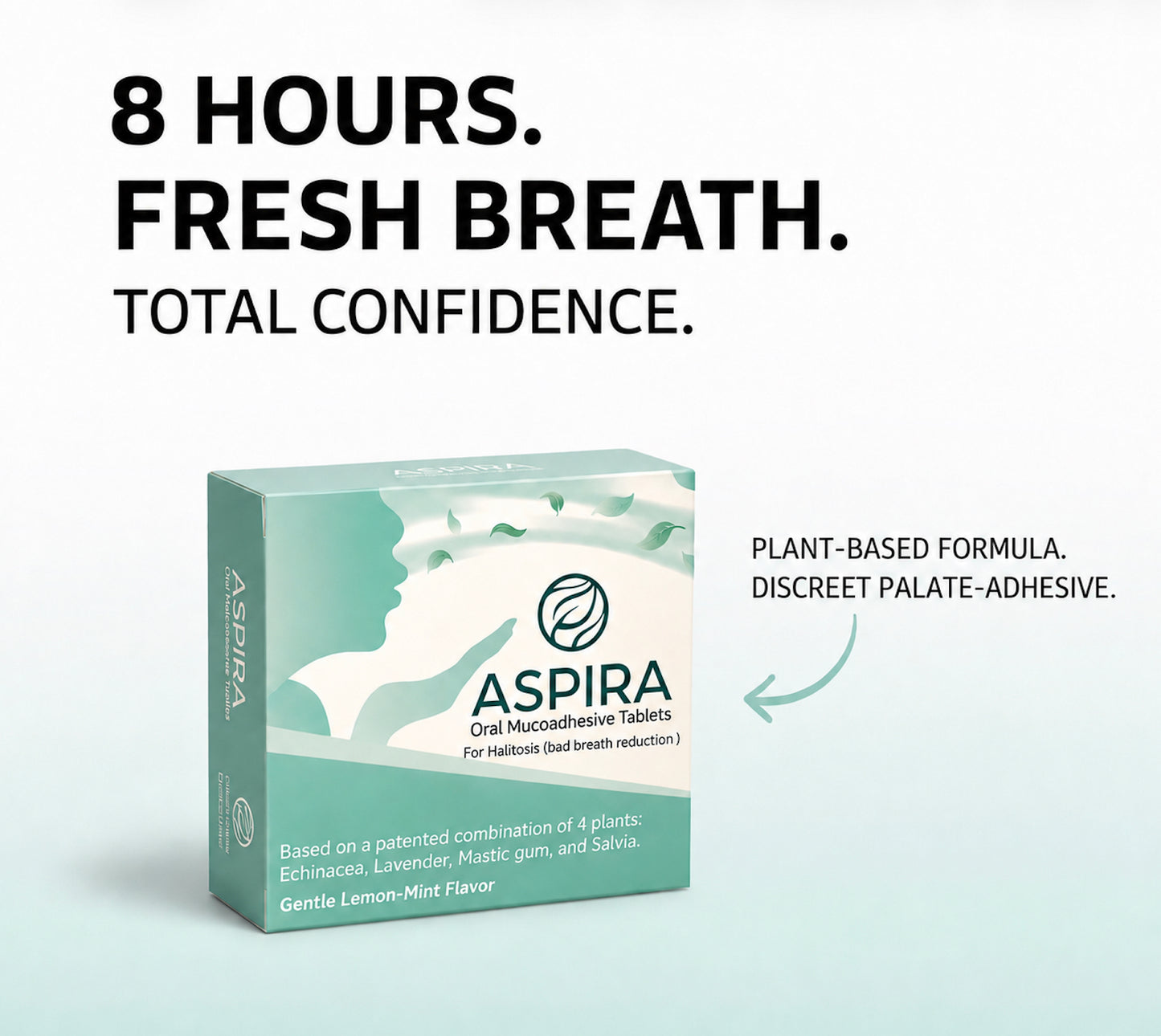
Want a refresh that lasts longer than a mint? ASPIRA tablets are slow-dissolving, plant-based oral care tablets that adhere against the inner cheek and stay active for two to three hours — built for long days when brushing isn't an option. Try ASPIRA →
This article is informational and is not a substitute for advice from a dentist or doctor. If you're concerned about persistent bad breath that doesn't improve with good oral hygiene, talk to a healthcare professional. Individual results may vary.
Part of our guide to the full guide to bad breath — what causes it, and what reduces it.