
Why Mints and Gum Don't Actually Fix Bad Breath (And What Does)
Lior HendlerYou pop a mint. Your breath smells fresh for about three minutes. Then it's back - the same stale, lingering odor that made you reach for the mint in the first place.
If this sounds familiar, you're not alone. Millions of people rely on mints, gum, and mouthwash every day without ever actually solving the problem. And there's a good reason for that: these products were never designed to fix bad breath. They were designed to mask it.
Here's what's actually going on - and what you can do to address bad breath for real.
Why Mints and Gum Only Work for Minutes
Walk into any pharmacy and you'll find an entire aisle dedicated to breath products. Mints, gum, strips, sprays - all of them promising fresh breath. What most of them share is a simple formula: a strong flavor (usually mint or spearmint) that overwhelms the odor temporarily.
That's it.
The flavoring fades in 3 to 15 minutes, and with it, the coverage disappears. Some products contain a small amount of antibacterial agent like cetylpyridinium chloride, which can reduce bacterial load slightly - but even these only address the mouth's surface, not the source of the smell.
What's missing is any mechanism to actually address why your breath smells in the first place.
The Real Cause of Bad Breath: It's Not Just Your Mouth
Bad breath - clinically known as halitosis - is caused by volatile sulfur compounds (VSCs). These are gases produced by bacteria as they break down proteins in your mouth, throat, and digestive tract.
The key word is digestive tract.
Up to 10% of bad breath cases originate in the gut, not the mouth. Even when the cause is primarily oral, the bacteria responsible live on the back of the tongue, between teeth, and in the gum line - places that a quick rinse or mint can't reach effectively.
Common root causes include:
- Bacterial overgrowth on the tongue: The back of the tongue is the most common site for odor-producing bacteria.
- Dry mouth: Saliva is your natural defense against bad breath bacteria. Reduced saliva flow - from medication, breathing through the mouth, or dehydration - lets bacteria thrive.
- Digestive issues: Gut dysbiosis, acid reflux (GERD), and slow digestion can all push odor-causing gases upward.
- Diet: Foods like garlic and onion release sulfur compounds that enter your bloodstream and are exhaled through your lungs - no amount of brushing will touch this.
- Skipping meals: An empty stomach produces more acid and slows saliva production, both of which worsen breath.
Why Mouthwash Isn't Much Better
Alcohol-based mouthwashes are marketed aggressively as a fix for bad breath - and in the short term, they do reduce bacteria. The problem is that alcohol dries out your mouth, which reduces saliva production and creates the exact conditions where bad-breath bacteria thrive.
It's a cycle: use mouthwash, temporarily kill bacteria, dry out your mouth, bacteria rebound stronger.
Alcohol-free, antibacterial mouthwashes (like those containing chlorhexidine or CPC) are more effective and don't cause the same drying effect - but they still only address the oral cavity. If your bad breath has a systemic or digestive origin, mouthwash won't make a dent.
What Actually Works to Fix Bad Breath
Effective bad breath solutions work from the inside out. Rather than layering a scent on top of the problem, they target the compounds and bacteria responsible.
Here's what the evidence supports:
Zinc: Zinc ions neutralize VSCs directly, binding to the sulfur compounds that cause odor. It's one of the most well-studied ingredients for addressing bad breath at a chemical level rather than just masking it.
Chlorophyll: Found naturally in green plants, chlorophyll has long been used as an internal deodorizer. It works by binding to odor-causing molecules in the digestive tract and neutralizing them before they're exhaled or released through the skin.
Probiotics: A growing body of research links gut microbiome imbalances to chronic bad breath. Probiotic strains like Lactobacillus salivarius and Streptococcus salivarius have been shown to reduce VSC-producing bacteria in the mouth and gut.
Hydration and diet: Drinking enough water maintains saliva production - your body's built-in bad breath defense. Reducing high-sulfur foods (garlic, onions, cruciferous vegetables in large quantities) and processed foods can also significantly reduce odor.
Consistent oral hygiene targeting the tongue: A tongue scraper used daily removes the bacteria and debris where most odor originates. This is far more effective than relying on mints or gum.
The Bottom Line
Mints and gum feel like a solution because they work immediately - but that immediate relief is exactly the problem. It trains you to reach for a temporary fix instead of addressing what's actually causing the odor.
Real bad breath solutions take a different approach. They neutralize the compounds responsible, support your body's natural defenses, and address the root causes - whether that's bacterial overgrowth, dry mouth, or digestive imbalance.
If you've been cycling through mints and mouthwash without lasting results, it's time to look deeper. Your breath will thank you.
Meet ASPIRA: The Breath Solution Built for the Root Cause
ASPIRA was created for people who are tired of temporary fixes.
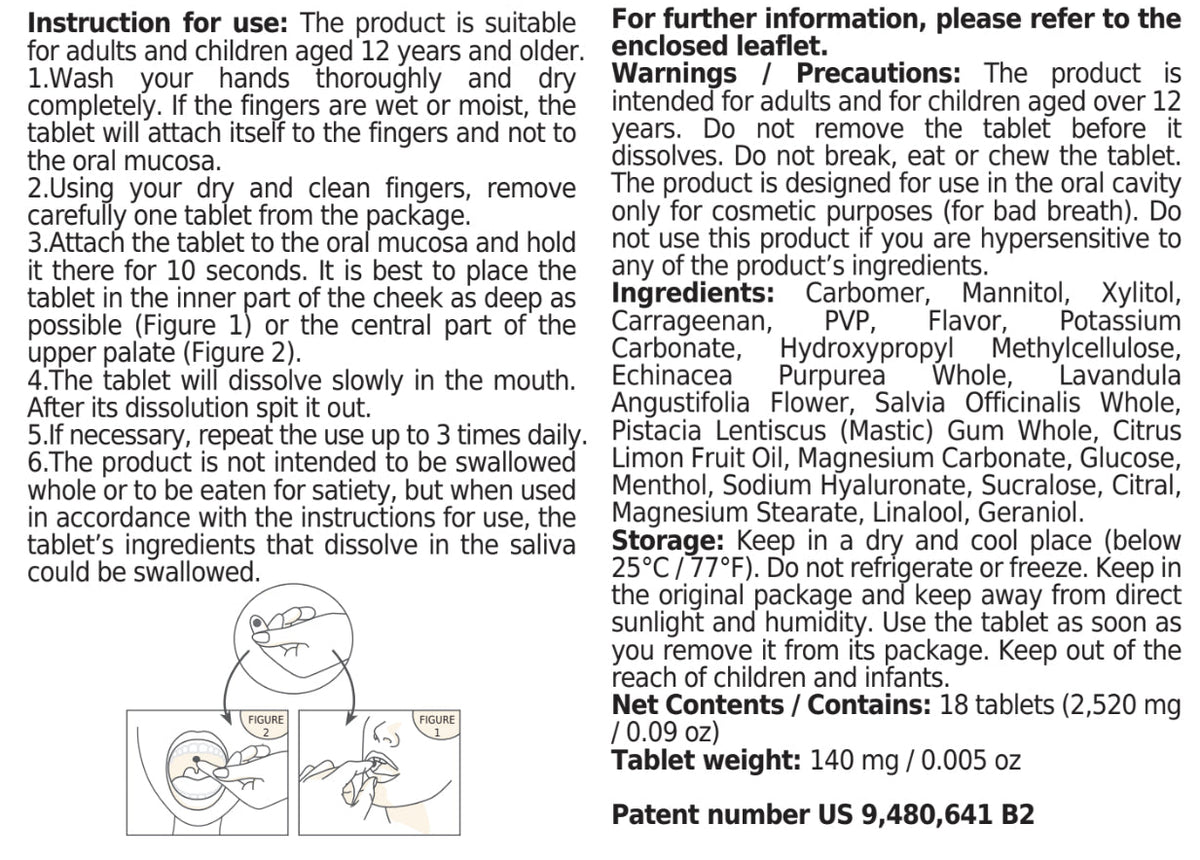
Unlike mints, gum, and mouthwashes that simply mask odors for a short time, ASPIRA is designed to provide long-lasting freshness through a patented, slow-release oral adhesive tablet. The discreet tablet gently adheres to the inside of your mouth and gradually releases a concentrated blend of plant-based ingredients for up to 8 hours.
Powered by a patented herbal formula, ASPIRA helps address bad breath where it starts rather than overwhelming it with strong flavors or fragrances. The result is a fresher, cleaner feeling that lasts far beyond the few minutes offered by conventional breath-freshening products.
No more reaching for another mint before a meeting. No more carrying gum everywhere you go. Just lasting freshness and the confidence that comes with it.
If you've tried everything in the breath-care aisle and are still searching for a better solution, ASPIRA may be exactly what you've been looking for.

Part of our guide to what actually reduces bad breath — VSCs, where they come from, and what reduces them.