
Does Dry Mouth Cause Bad Breath? The Hidden Reason Many People Struggle with Breath Odor
Short Answer
Yes, dry mouth is one of the most common causes of bad breath. When the mouth does not produce enough saliva, bacteria can grow more easily and produce odor-causing sulfur compounds. Maintaining hydration, improving oral hygiene, and using long-lasting breath solutions like ASPIRA Breath Tablets can help support fresher breath.
Why Saliva Is Essential for Fresh Breath
Many people do not realize how important saliva is for maintaining fresh breath.
Saliva plays several crucial roles in the mouth:
- it washes away food particles
- it helps control bacteria
- it neutralizes acids
- it supports the natural balance of the oral microbiome
When saliva production decreases, bacteria can accumulate more easily. These bacteria break down proteins and release volatile sulfur compounds, which are responsible for the unpleasant odor associated with bad breath.
For this reason, people who experience dry mouth often notice persistent breath odor even when they brush regularly.
What Causes Dry Mouth?
Dry mouth, also known as xerostomia, can occur for several different reasons.
Understanding these causes can help identify ways to reduce the problem.
Dehydration
One of the most common reasons for dry mouth is simply not drinking enough water.
When the body becomes dehydrated, saliva production decreases. This allows bacteria in the mouth to multiply more easily and produce odor.
Even mild dehydration can make breath smell worse.
Sleeping with an Open Mouth
Many people wake up with dry mouth because they breathe through their mouth during sleep.
Mouth breathing allows air to dry the oral cavity overnight, which is one of the main reasons morning breath is so common.
Certain Medications
Many medications can reduce saliva production as a side effect.
Examples include medications for:
- Allergies
- blood pressure
- anxiety
- depression
- Reduced saliva can create conditions where odor-producing bacteria thrive.
Stress and Anxiety
Stress can also influence saliva production.
When the body enters a “fight or flight” response, saliva flow may decrease. This can temporarily create a dry mouth environment that contributes to bad breath.
Signs That Dry Mouth May Be Causing Your Bad Breath
People experiencing dry mouth often notice several symptoms:
- a sticky or dry feeling in the mouth
- frequent thirst
- difficulty swallowing dry foods
- a coated tongue
- persistent bad breath
If breath odor becomes worse during times of dehydration or stress, dry mouth may be playing a role.
How Dry Mouth Leads to Bad Breath
The connection between dry mouth and bad breath comes down to bacteria balance.
In a healthy mouth, saliva helps regulate bacterial populations and wash away odor-producing compounds.
When saliva decreases:
- Bacteria multiply faster
- Food particles remain longer in the mouth
- Sulfur compounds accumulate
These sulfur compounds are responsible for the unpleasant smell associated with bad breath.
Practical Ways to Reduce Dry Mouth and Improve Breath
Fortunately, several simple habits can help reduce dry mouth and support fresher breath.
Drink More Water
Hydration is one of the easiest and most effective ways to support saliva production.
Drinking water regularly throughout the day helps maintain moisture in the mouth and wash away odor-producing bacteria.
Clean the Tongue
The tongue is one of the main places where odor-producing bacteria accumulate.
Cleaning the tongue daily can significantly reduce the bacteria responsible for bad breath.
Many dentists recommend using a tongue scraper or gently brushing the tongue.
Maintain Consistent Oral Hygiene
Maintaining a regular oral hygiene routine helps control bacteria in the mouth.
Important habits include:
- brushing twice daily
- flossing regularly
- cleaning the tongue
- staying hydrated
Long-Lasting Breath Support
Many traditional breath products like chewing gum or mints provide only short-term freshness.
They typically mask odor temporarily without addressing the underlying bacteria.
Some people prefer solutions designed to provide longer-lasting breath freshness.
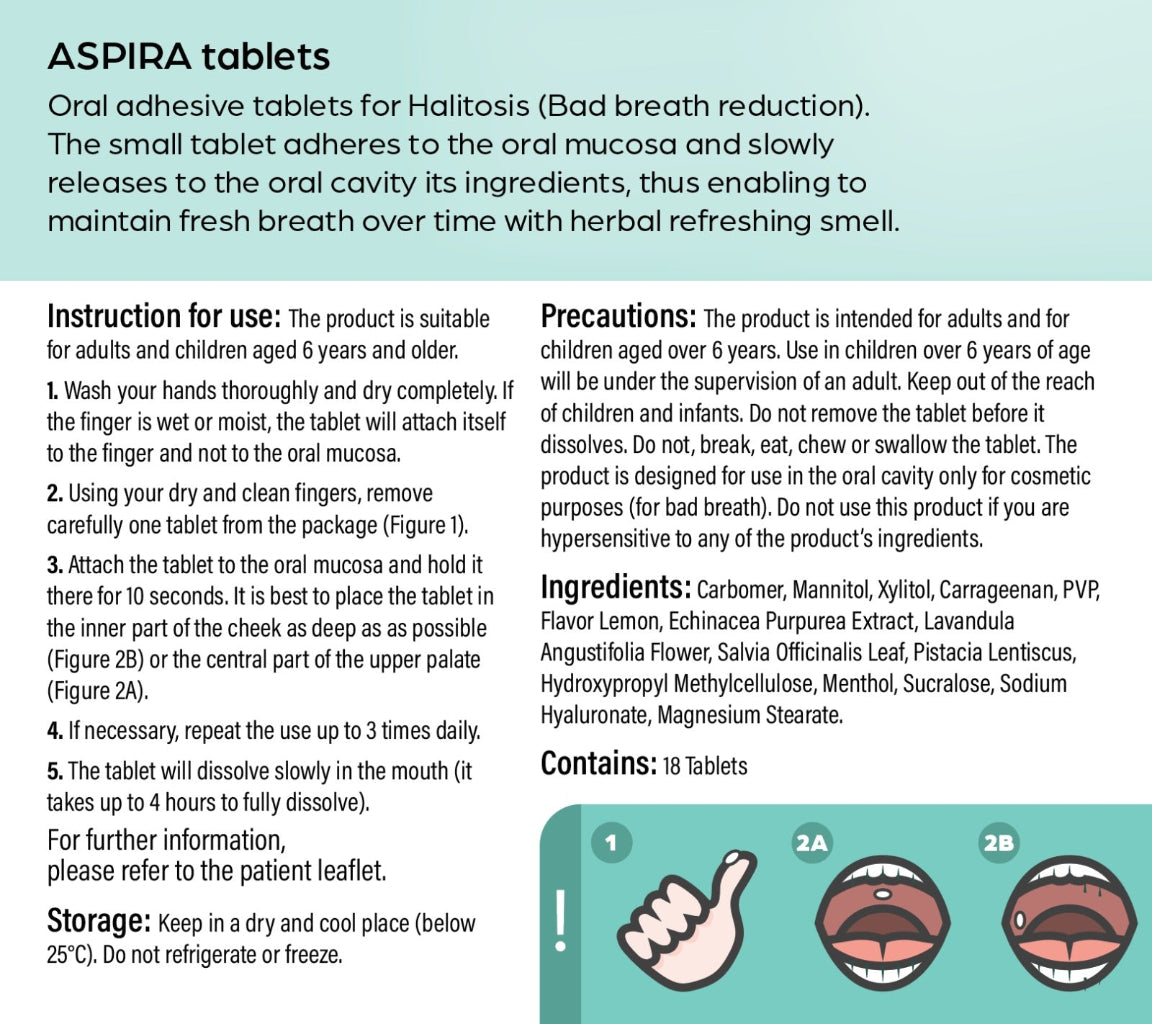
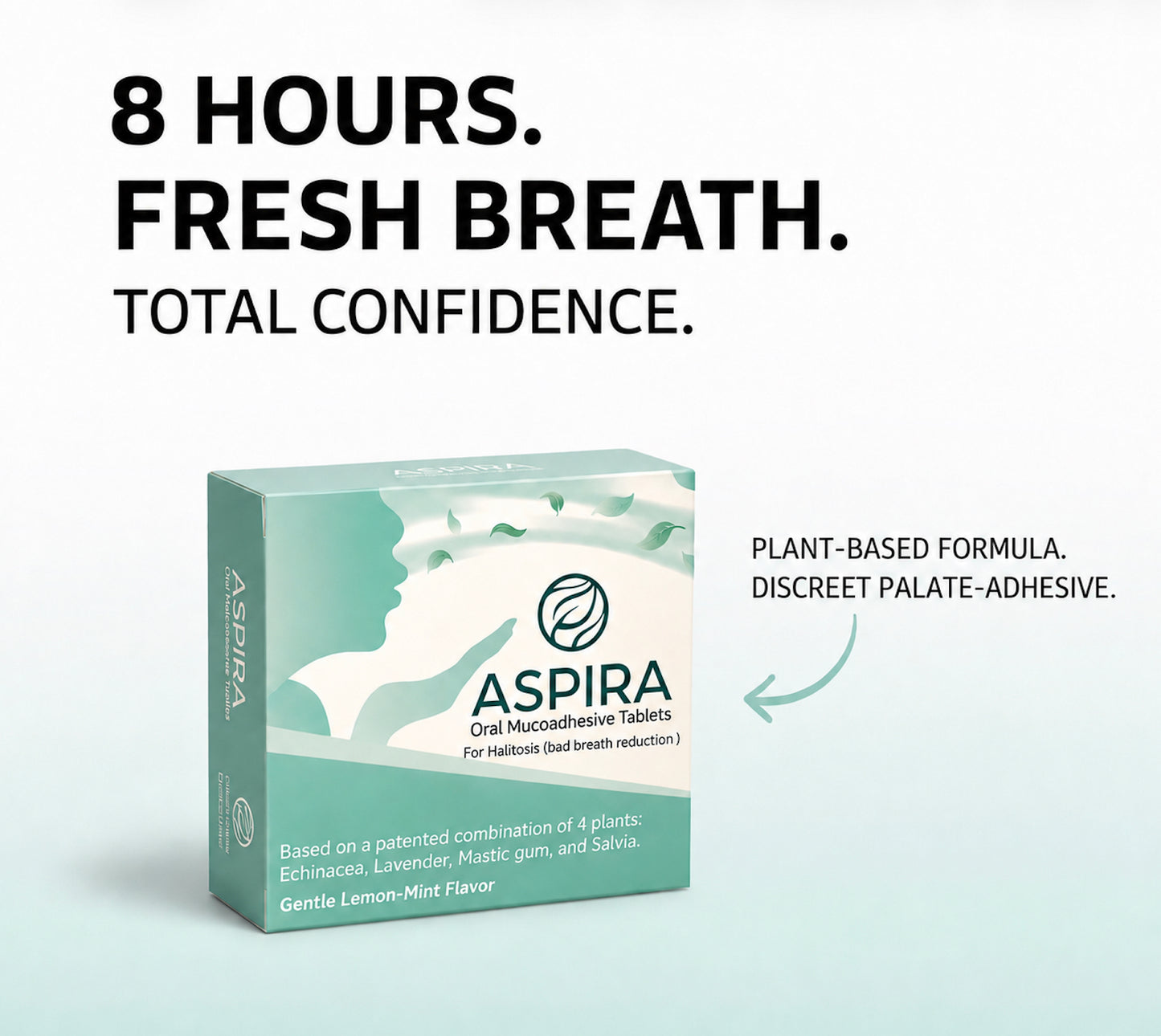
ASPIRA Breath Tablets are designed to slowly dissolve while adhering gently to the palate. As the tablet dissolves, plant-based ingredients are gradually released into the mouth.
Because the ingredients are released slowly, many people find that ASPIRA Breath Tablets help maintain fresher breath for longer compared with quick solutions like gum.
The tablets contain a patented combination of plant ingredients including:
- echinacea
- lavender
- mastic gum
- salvia
These ingredients gradually dissolve in the mouth and support a fresher breath feeling throughout the day.
For people who experience dry mouth-related breath odor, slow-release solutions like ASPIRA Breath Tablets may provide additional support.
Key Takeaway
Dry mouth is one of the most common but often overlooked causes of bad breath.
When saliva production decreases, bacteria can grow more easily and produce unpleasant odors.
Improving hydration, maintaining good oral hygiene, and using long-lasting breath solutions like ASPIRA Breath Tablets may help support fresher breath throughout the day.
FAQ
Can dehydration cause bad breath?
Yes. Dehydration reduces saliva production, which allows odor-producing bacteria to accumulate in the mouth.
Why does my breath smell worse when my mouth feels dry?
Dry conditions allow bacteria to multiply more easily, leading to increased production of sulfur compounds that cause odor.
How can I prevent dry mouth during the day?
Drinking enough water, avoiding excessive caffeine, and maintaining good oral hygiene can help reduce dry mouth.
Can long-lasting breath products help?
Some people use slow-release breath solutions like ASPIRA Breath Tablets to help maintain fresher breath for longer periods throughout the day.
Part of our guide to what causes bad breath — VSCs, where they come from, and what reduces them.