
Bad Breath from the Throat: Causes, Solutions, and How to Keep Breath Fresh Longer
Lior HendlerBad Breath from the Throat: Why It Happens
Many people assume bad breath always comes from poor brushing or dental hygiene. In reality, bad breath can sometimes originate deeper in the mouth — especially in the throat.
If you notice that brushing, flossing, and mouthwash do not fully solve the problem, the source of the odor may not be the teeth at all. Instead, it may come from bacteria that live further back in the mouth or throat.
Understanding the causes of throat-related bad breath can help you choose the right approach to improving your breath.
Quick Answer
Bad breath from the throat usually occurs because bacteria accumulate in the back of the mouth. These bacteria break down proteins and produce sulfur compounds, which create unpleasant odors.
Common causes include:
Tonsil stones
Post-nasal drip
Bacteria on the back of the tongue
Dry mouth
Sinus infections
Fortunately, there are several practical steps that can help reduce throat-related bad breath.
Common Causes of Bad Breath from the Throat
1. Tonsil Stones
One of the most common causes of bad breath originating from the throat is tonsil stones (also known as tonsilloliths).
Tonsil stones form when:
food particles
bacteria
mucus
become trapped in the small crevices of the tonsils.
Over time, these materials harden and can produce a strong odor.
People with tonsil stones often notice:
persistent bad breath
a bad taste in the mouth
small white or yellow particles in the tonsils
2. Post-Nasal Drip
Post-nasal drip occurs when excess mucus flows from the nasal passages into the throat.
This mucus can become a breeding ground for bacteria. As bacteria break down proteins within the mucus, they produce sulfur compounds that contribute to unpleasant breath.
Post-nasal drip may occur due to:
allergies
sinus infections
colds
seasonal changes
3. Bacteria on the Back of the Tongue
The back of the tongue is one of the most common places for odor-producing bacteria to accumulate.
Even if someone brushes their teeth thoroughly, bacteria on the tongue can continue producing odor.
These bacteria feed on:
food debris
dead cells
proteins in saliva
As they break down these materials, they release volatile sulfur compounds that cause bad breath.
4. Dry Mouth
Saliva plays a crucial role in maintaining fresh breath.
Saliva helps by:
washing away food particles
neutralizing acids
limiting bacterial growth
When the mouth becomes dry, bacteria can grow more easily and produce stronger odors.
Dry mouth can occur due to:
dehydration
sleeping with an open mouth
certain medications
stress
Why Brushing Alone May Not Solve the Problem
Many people are surprised when bad breath persists even after brushing.
The reason is simple: brushing primarily cleans the teeth, but many odor-producing bacteria live elsewhere in the mouth.
Areas that brushing may not fully reach include:
the back of the tongue
the throat
the tonsils
spaces between teeth
Because of this, improving breath freshness often requires a more complete oral hygiene routine.
Practical Ways to Reduce Bad Breath from the Throat
Clean the Tongue
Cleaning the tongue can remove large amounts of odor-causing bacteria.
Many dentists recommend:
using a tongue scraper
brushing the tongue gently
This can significantly reduce the bacteria responsible for producing unpleasant smells.
Stay Hydrated
Drinking enough water helps stimulate saliva production.
More saliva means:
fewer bacteria
fewer odor compounds
Staying hydrated is one of the simplest ways to improve breath freshness.
Improve Overall Oral Hygiene
Maintaining consistent oral hygiene habits can help reduce bacteria throughout the mouth.
Important habits include:
brushing twice daily
flossing regularly
cleaning the tongue
staying hydrated
Long-Lasting Breath Solutions
Many traditional breath products such as gum or mints provide only temporary freshness.
They often mask odor rather than addressing the underlying bacteria.
Some people prefer products designed to provide longer-lasting breath support.
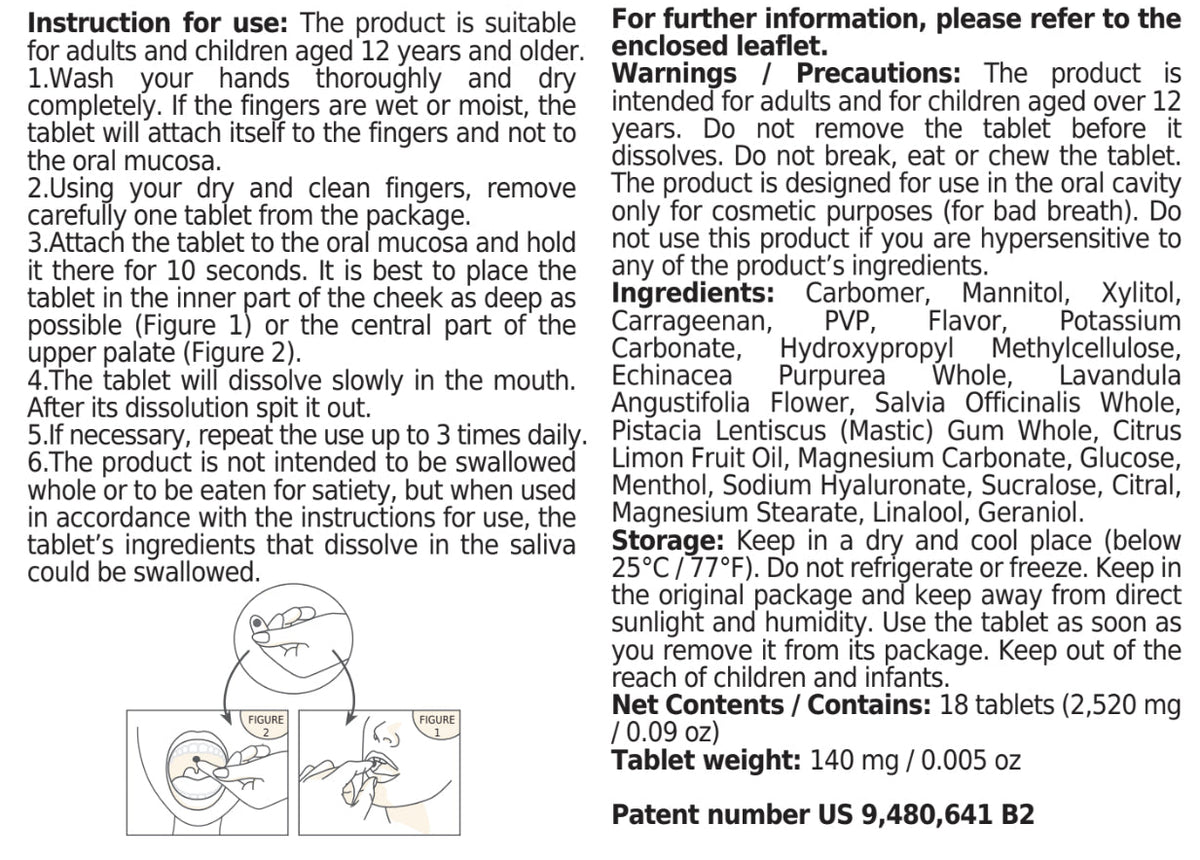
ASPIRA Breath Tablets are designed differently from gum or mints. The tablet gently adheres to the palate and slowly releases plant-based ingredients over time.
Because the ingredients are released gradually, many people find that their breath stays fresher for longer compared to quick solutions like chewing gum.
ASPIRA Breath Tablets contain a patented combination of plant ingredients, including:
echinacea
lavender
mastic gum
salvia
These ingredients slowly dissolve in the mouth and help support a fresher breath feeling throughout the day.
When to See a Dentist
If bad breath persists despite good oral hygiene, it may be helpful to consult a dentist or healthcare professional.
Persistent bad breath can sometimes indicate:
gum disease
chronic tonsil stones
sinus infections
digestive conditions
A dental professional can help identify the underlying cause and recommend appropriate treatment.
Key Takeaways
Bad breath from the throat is more common than many people realize.
The most frequent causes include:
bacteria on the tongue
tonsil stones
post-nasal drip
dry mouth
Improving oral hygiene, staying hydrated, and using long-lasting breath support products like ASPIRA Breath Tablets may help maintain fresher breath throughout the day.
FAQ
Can bad breath really come from the throat?
Yes. In many cases, the odor originates from bacteria in the back of the mouth or throat rather than the teeth.
Do tonsil stones cause bad breath?
Yes. Tonsil stones often contain bacteria and trapped debris that produce strong odors.
Does brushing fix throat-related bad breath?
Brushing helps, but it may not fully remove bacteria from the tongue or throat.
How can I keep breath fresh longer?
A combination of oral hygiene, hydration, and longer-lasting breath support solutions like ASPIRA Breath Tablets may help maintain freshness throughout the day.
Part of our guide to what causes bad breath — VSCs, where they come from, and what reduces them.