
Why Coffee Gives You Bad Breath (And What Actually Helps)?
Lior HendlerMost of us start our mornings with coffee — then spend the rest of the day worrying about our breath. If you've ever popped a mint after your morning cup or noticed a particular smell on someone mid-meeting, you already know the connection is real. But why does it happen, and what can you actually do about it?
Here's a clear-eyed look at the science, the myths, and the fixes that actually address the root cause.
What's Actually Happening in Your Mouth
Coffee's effect on breath isn't just about the smell of the coffee itself. There are a few distinct mechanisms at work.
1. Coffee is loaded with sulfur compounds.
Breath odor is driven largely by volatile sulfur compounds (VSCs) — gases produced by bacteria in your mouth as they break down proteins. Coffee contains sulfur compounds of its own, and once you drink it, those compounds linger in your mouth and throat. Some are absorbed into your bloodstream and expelled through your lungs, which is why coffee breath can persist long after you've finished your cup.
2. Coffee dries out your mouth.
Saliva is your mouth's natural defense system. It neutralizes acids, washes away food debris, and keeps bacterial populations in check. Coffee — especially caffeinated coffee — suppresses saliva production and acts as a mild diuretic, compounding dehydration. A drier mouth means bacteria multiply faster, produce more VSCs, and have less competition from your body's natural cleaning mechanisms. The result: stronger, longer-lasting odor.
3. Coffee is acidic.
With a pH around 5, coffee creates an environment in your mouth that bacteria love. Odor-producing bacteria thrive in low-pH conditions, and an acidic oral environment can also weaken enamel and irritate gum tissue over time — both of which can contribute to chronic breath issues if left unaddressed.
Put these three together, and it's clear that coffee isn't just leaving a smell behind — it's actively creating conditions that make your breath worse.
The Myths Worth Clearing Up
"Just drink more water."
Staying hydrated helps, and yes, rinsing your mouth with water after coffee is better than nothing. But water alone won't neutralize the sulfur compounds already present or fully restore your saliva's protective function. It's a good habit, not a solution.
"Mints and gum fix it."
They mask it — briefly. Most mints and gums work by adding a competing scent, not by addressing the bacterial activity underneath. Some sugar-containing options can actually make things worse by feeding the same bacteria causing the odor. Sugar-free gum with xylitol is a better choice (xylitol inhibits certain bacteria), but it's still a temporary measure.
"Drinking coffee with milk makes it worse."
This one is actually backwards. Milk proteins can bind to some of the tannins and acids in coffee, and the fat content can coat the mouth in a way that slightly buffers acidity. Black coffee tends to produce stronger breath effects than coffee with milk. That said, dairy milk comes with its own considerations — milk proteins are also a food source for bacteria, so the benefit isn't clearcut.
"Brushing your teeth right after coffee solves it."
Your instinct is right, but your timing might not be. Because coffee is acidic, it temporarily softens enamel. Brushing immediately afterward can do more harm than good. The better approach is to wait about 30 minutes, then brush — or rinse with water right after drinking to help neutralize the acid first.
What Actually Helps
Tongue scraping. Most of the bacteria responsible for bad breath live on the surface of your tongue — not your teeth. A tongue scraper, used once or twice a day, removes the biofilm where VSC-producing bacteria thrive. It's one of the most underrated tools in oral care and makes a measurable difference.
Staying hydrated before and during coffee. Rather than treating dry mouth after the fact, try to go into your coffee routine already well-hydrated. Drinking water alongside your coffee — not just after — helps maintain saliva flow throughout.
Eating something with your coffee. Coffee on an empty stomach intensifies its effects. Eating stimulates saliva production and helps buffer the acidity. Something as simple as a few bites of food can meaningfully reduce the breath impact.
Nasal breathing. This one is less obvious, but mouth breathing significantly accelerates drying of the oral tissues, compounding everything coffee is already doing. People who tend to breathe through their mouths — especially during sleep — start the day with reduced saliva and higher bacterial loads, and coffee pushes that further. Supporting nasal breathing habits is one of the best long-term investments you can make for breath quality overall.
Timing your coffee strategically. Cortisol — the hormone that naturally wakes you up — peaks between roughly 8–9am. Drinking coffee during that window adds caffeine on top of an already elevated alertness response, which some research suggests may also increase anxiety-related dry mouth. Waiting until 90 minutes after waking to have your first cup (so, around 9:30–10am for most people) lets cortisol do its job first, and may reduce how much caffeine you actually need.
Addressing contact time, not just coverage. This is the piece most people miss. Brushing takes 2 minutes. Mouthwash takes 30 seconds. But the bacteria causing your coffee breath don't clock out after that — they keep producing sulfur compounds for hours, especially in the dry, low-saliva environment that coffee creates.
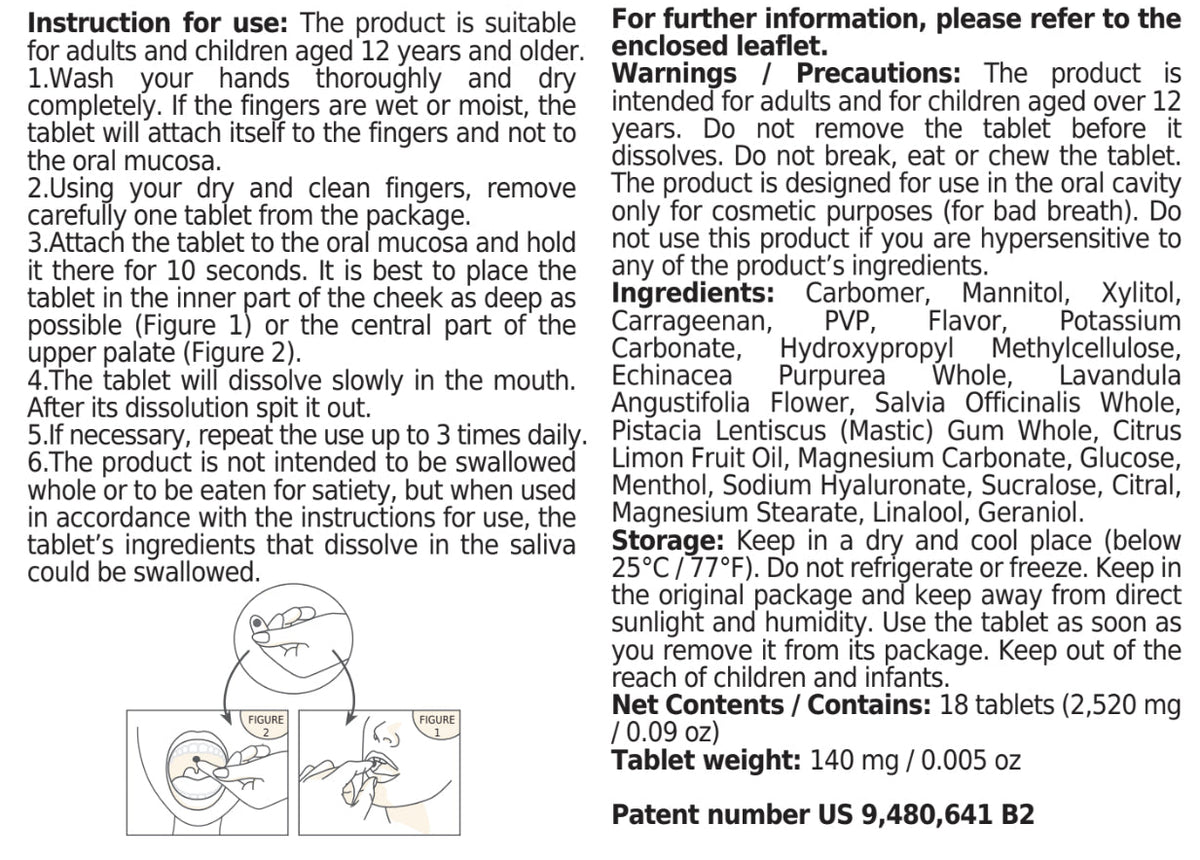
That's the thinking behind ASPIRA. It's a slow-dissolving tablet — not a mint, not a gum — that you place against your cheek or the roof of your mouth after your morning routine. It stays there and gradually releases a blend of plant ingredients (Echinacea, Sage, Lavender, and Mastic gum) over the course of a few hours, quietly working through the window when your mouth is at its driest and most vulnerable. The goal isn't to overpower the smell — it's to reduce the bacterial activity that's causing it, for as long as the bacteria are actually active. Clinical studies have shown reduced VSC levels and lower odor scores. It's FDA-registered and patented, which matters in a category full of products that are basically just scent delivery.
The experience is subtle — a mild lemon-mint taste that fades quickly, then nothing. You forget it's there. Which, honestly, is the point.
The Bottom Line
Coffee affects breath through three interlocking mechanisms: sulfur compounds, reduced saliva, and increased oral acidity. Mints and extra brushing are understandable reflexes, but they work around the problem rather than through it.
The more durable fixes share a common logic: reduce the bacterial load, support saliva, and maintain that protection through the hours when your mouth is most compromised. Hydrate well, scrape your tongue, eat something alongside your coffee, pay attention to how you breathe, and consider something that actually stays in your mouth long enough to matter.
Your morning ritual doesn't have to come with a side of self-consciousness. A bit of awareness — and the right tool — goes a long way.
Part of our guide to what causes bad breath — VSCs, where they come from, and what reduces them.