
Keto Breath Is Real - Here's Why It Happens and What Actually Gets Rid of It
Lior HendlerYou started keto for the energy, the mental clarity, the fat loss. You're eating clean, you're disciplined, you feel genuinely good — and then someone mentions, in the most polite way possible, that your breath is an issue.
Welcome to keto breath. It's real, it's common, and it's one of the more frustrating side effects of low-carb eating because most of the standard advice doesn't actually work. Here's why — and what does.
What Causes Keto Breath?
Keto breath isn't the same as regular bad breath, which is why regular bad breath solutions mostly miss the mark.
When you cut carbohydrates significantly, your body burns through its glycogen stores and shifts to burning fat for fuel. That process produces molecules called ketone bodies — specifically beta-hydroxybutyrate, acetoacetate, and acetone. The first two are used for energy. Acetone, however, is a waste product your body needs to eliminate, and it does this primarily through two routes: your urine and your breath.
Acetone has a distinctive smell — fruity, slightly sweet, sometimes described as chemical or nail-polish-like. That's keto breath. And unlike the sulfuric odor of typical halitosis (which comes from bacteria producing volatile sulfur compounds), this smell originates from your metabolism, not your mouth.
This is the key distinction that most people miss. You can brush all day, rinse with mouthwash, pop mint after mint — and the acetone keeps coming, because it's entering your mouth from your bloodstream through your breath, not accumulating from bacterial activity.
Why Most "Fixes" for Keto Breath Don't Work
Now you understand why the usual playbook falls short.
Mints and gum mask the smell for a few minutes, but the acetone keeps exhaling. The moment the mint fades, you're back where you started. And many sugar-free gums contain sweeteners that can cause digestive issues for strict keto followers.
Mouthwash is designed to kill oral bacteria and temporarily neutralize sulfur compounds — useful for regular bad breath, but not for metabolic acetone. Alcohol-based mouthwashes also dry out the mouth, which can make things worse over time by reducing saliva and letting bacteria thrive.
Brushing more frequently improves oral hygiene generally, but doesn't touch acetone coming from your bloodstream.
That said — and this is important — most people with keto breath are actually dealing with two problems at once: the acetone from ketosis, and the bacterial bad breath that comes with a high-protein diet and reduced saliva production. Odor-causing bacteria break down proteins in the mouth - including food debris, saliva proteins, and dead cells - producing volatile sulfur compounds. And lower-carb diets often mean less chewing, less saliva stimulation, and faster bacterial buildup. So while acetone is the headline problem, the bacterial component is real — and addressable.
What Actually Helps With Keto Breath
Stay well hydrated. This is the single most consistently useful habit change for keto breath, and it works on both fronts. Hydration supports overall ketone clearance and helps maintain saliva flow, both of which can reduce the intensity of keto breath. It also maintains saliva flow, which keeps bacterial activity in check. Most people on keto are at least mildly dehydrated - especially in the early weeks when glycogen loss causes significant water loss. Drink more than you think you need.
Moderate your protein intake. Very high protein intake can shift your body slightly out of deep ketosis in some cases. But for some people, imbalanced macros (too much protein relative to fat) can make ketosis less stable - which may affect how ketones are produced and perceived, including breath. Dialing protein back to what you actually need, rather than eating very high amounts, can make a noticeable difference for some people.
Give it time. Keto breath is typically most intense in weeks 1–4, during the adaptation phase. Once you're fully fat-adapted, ketone production stabilizes and breath often improves. It doesn't disappear entirely, but it becomes more manageable for most people.
Address the bacterial component with something that actually lasts. Since mints and mouthwash only work for minutes, the bacterial side of keto breath needs something with real staying power. This is where the approach matters.
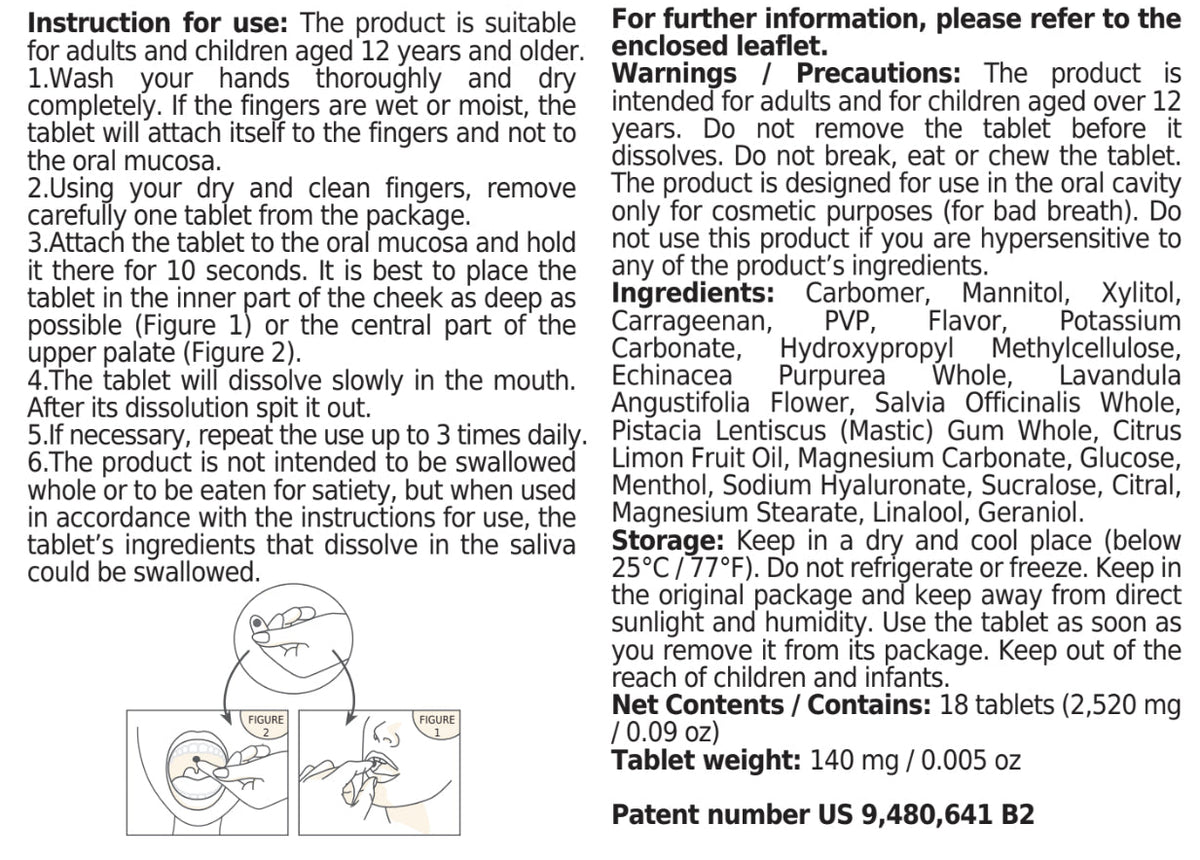
ASPIRA is a slow-dissolving oral care tablet made from plant-based active ingredients — echinacea, sage, lavender, and mastic gum - ingredients that have been studied for their antibacterial properties. Unlike a mint that dissolves in 60 seconds, ASPIRA adheres to the inner cheek or roof of the mouth and dissolves over 2–3 hours, providing prolonged exposure that helps reduce odor-causing bacteria over time.
It won't eliminate acetone breath — nothing will except modifying the diet — but it significantly reduces the bacterial layer on top of it, which for many keto dieters makes up a large portion of the problem. And because it's plant-based with no calories and no sugar, it doesn't interfere with ketosis.
Will Keto Breath Ever Go Away Completely?
For most people, it improves significantly after the adaptation phase. The only way to eliminate it entirely is to come out of ketosis — by ending the diet, doing carb cycling, or shifting to a less restrictive low-carb approach. If you're committed to keto long-term, managing it is more realistic than eliminating it.
The good news: most people around you are less aware of it than you are. But "less aware" is different from "unaware." If it's something you're thinking about in meetings, on dates, or just throughout your day, it's worth tackling properly — not just masking for two minutes and hoping.
Frequently Asked Questions
Is keto breath a sign that the diet is working?
In a sense, yes. Acetone breath indicates your body is producing ketones, which means you're in ketosis. Some people even use breath ketone meters to track it. So while the smell is unwelcome, it does confirm the metabolic shift is happening.
How long does keto breath last?
It's typically most intense during the first 2–4 weeks. Many people notice it becoming less pronounced once fully fat-adapted, though some degree tends to persist for as long as you're in ketosis.
Does drinking more water actually help keto breath?
Yes — more than most solutions. Hydration supports overall ketone clearance, keeps saliva production up, and helps flush the mouth. It's not a complete fix, but it's the most consistently useful single change you can make.
Can I use regular mouthwash for keto breath?
Mouthwash helps with oral bacteria and temporarily neutralizes sulfur compounds — useful for the bacterial component, but completely ineffective against acetone. Alcohol-based formulas can also dry out the mouth and make things worse over time. If you use mouthwash, alcohol-free is better, but keep realistic expectations about duration.
Keto breath is one of those things nobody warned you about when you started the diet. Now you know exactly why it happens, why standard fixes don't work, and how to manage it properly — so it doesn't get in the way of everything else you're doing right.
Part of our guide to what causes bad breath — VSCs, where they come from, and what reduces them.