
VSCs Explained: Why Your Breath Isn't Fresh After Brushing
Lior HendlerYou brush. You floss. You might even scrape your tongue. And yet, an hour later, you catch yourself wondering about your breath again - cupping a hand to check before a meeting, or keeping a little extra distance in a close conversation.
If that sounds familiar, you're not doing anything wrong. There's a good chance a group of compounds called VSCs is part of the story, and they have very little to do with how often you brush.
Here's what they are, where they come from, why so many freshness solutions fade fast, and what actually helps.
The short version
VSC stands for volatile sulfur compound. Two parts of that name explain a lot:
Volatile means it evaporates easily into the air. That's why you can smell it - it lifts off and travels.
Sulfur is the part responsible for the odor. Sulfur has a naturally unpleasant smell (think of the "rotten egg" association), and it's the common thread behind that not-quite-fresh quality people notice in breath.
VSCs are among the most widely recognized contributors to breath odor. When people describe "morning breath," or that stale feeling after coffee, or breath that just won't stay fresh, VSCs are often part of what's happening.
Where VSCs come from
Your mouth is home to a large community of naturally occurring bacteria. This is completely normal - everyone has them, and most of the time they're harmless. But some of these bacteria feed on tiny food particles, proteins, and cells that are always present in the mouth. As a byproduct of that process, they release sulfur-containing compounds into the air.
That byproduct is a VSC. In other words, breath odor is often not simply a matter of cleanliness. Even people with good oral hygiene can experience odor due to natural bacterial activity and the production of VSCs within the mouth.
A few common conditions tend to give these bacteria more to work with:
Tongue coating. The surface of your tongue isn't smooth - it's covered in tiny grooves and ridges that can trap bacteria, food debris, and dead cells. It's one of the most common places breath odor begins, which is exactly why dentists so often recommend cleaning your tongue, not just your teeth.
Dry mouth. Saliva does a quiet but important job: it helps keep your mouth rinsed and balanced throughout the day. When you produce less of it, that natural rinsing slows down and odor can become more noticeable. Dry mouth has many everyday causes - caffeine, alcohol, stress, certain medications, and simply breathing through your mouth while you sleep.
Diet and lifestyle. Foods like garlic and onions contain their own sulfur compounds, which is why their effect can linger. Smoking and other lifestyle factors can add to the picture too.
Less obvious triggers. Some people notice changes in freshness during particular life stages or routines - for example, hormonal shifts can affect saliva, and some people using GLP-1 medications report dry mouth. In many of these cases, the common thread is the same: less saliva, reduced natural cleansing, greater accumulation of odor-producing compounds, and more noticeable breath odor.
Why mints and gum wear off so quickly
Here's the part that frustrates most people.
Many mints primarily mask odor with flavor and fragrance. Chewing gum may provide additional temporary benefits by stimulating saliva flow, but these effects typically diminish once the gum is discarded.
That's the core limitation: many traditional breath-freshening products provide temporary freshness and often require repeated use throughout the day. You end up reaching for another one, and another, managing your breath in short, repeating cycles throughout the day.
That gap - between minutes and hours — is the entire reason ASPIRA exists.
A different approach to lasting freshness
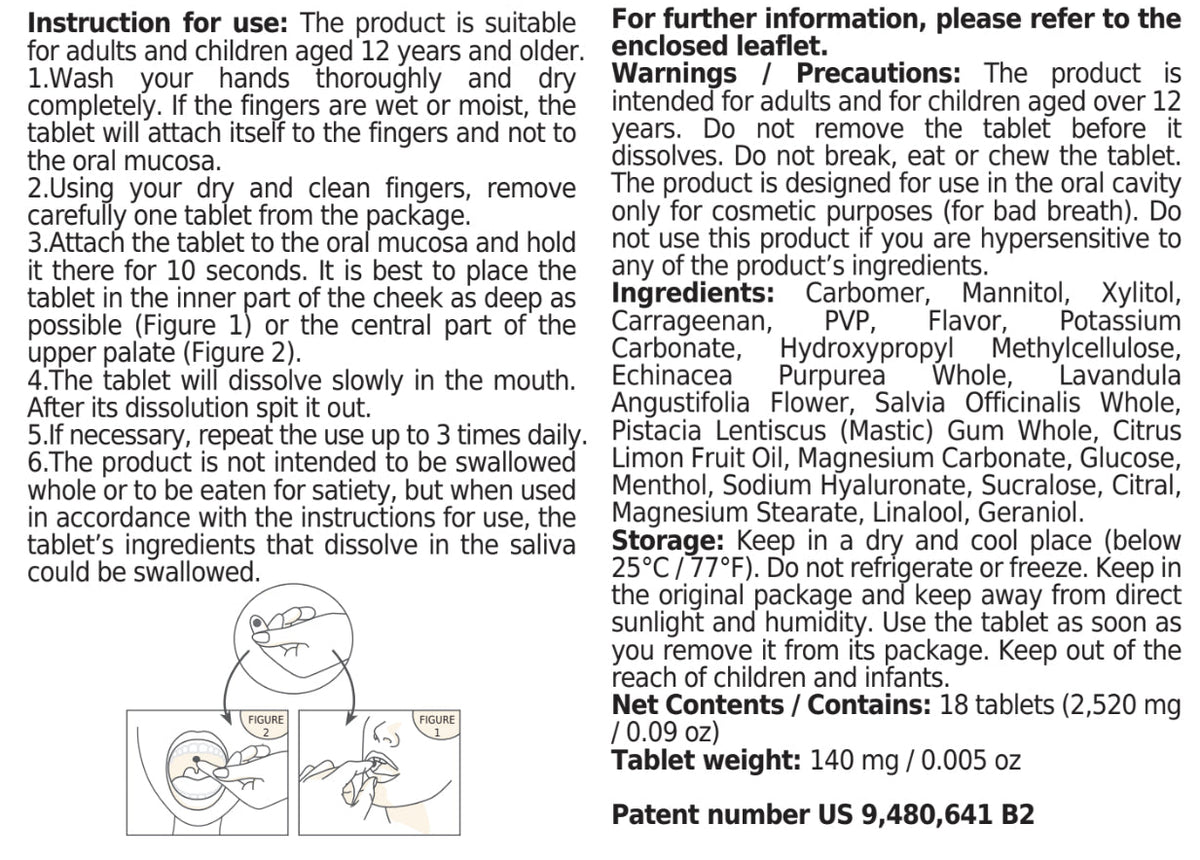
ASPIRA is a cosmetic oral-care product designed for long-lasting fresh breath. It isn't a mint and it isn't gum - it's a different category of solution.
Instead of a quick burst of scent, ASPIRA is built around a slow-release, plant-based formula. One small tablet is designed to support freshness for up to 8 hours - no chewing, no crunching, nothing for anyone around you to notice. It works quietly in the background while you focus on your day.
It's powered by a patented herbal formula and was developed in collaboration with university dental researchers, with peer-reviewed clinical studies behind it. The idea is simple: go beyond temporary masking and support long-lasting breath freshness.
How to put it all together
Fresh breath isn't about one product or one habit - it's about a few small things working together:
Clean your tongue, not just your teeth. Since tongue coating is such a common source of odor, a tongue scraper or brush can make a real difference.
Stay hydrated. Drinking water through the day supports saliva, which is your mouth's natural way of staying balanced. If you drink a lot of coffee or alcohol, a glass of water alongside helps.
Keep up your routine. Brushing and flossing remain the foundation. ASPIRA is designed to work alongside that routine, not replace it.
Add lasting support. For the stretches when you can't brush - meetings, dates, travel, a long afternoon - a slow-release tablet is a discreet way to keep freshness with you.
Frequently asked questions
Are VSCs harmful?
VSCs are a normal byproduct of the bacteria that naturally live in everyone's mouth. This article focuses on their role in odor and everyday freshness. Any concerns about your oral health are best discussed with your dentist.
If I brush more often, will the odor go away?
Brushing is important, but because VSCs come from natural bacterial activity - often on the tongue and in conditions like dry mouth - brushing alone doesn't always keep breath fresh for long. That's why tongue cleaning, hydration, and lasting freshness support all play a role.
How is ASPIRA different from a mint?
A mint adds a strong scent for a few minutes. ASPIRA is a slow-release tablet designed to support fresh breath for up to 8 hours, discreetly, from a single tablet.
Does ASPIRA replace brushing and flossing?
No. ASPIRA is designed to work alongside your normal oral-care routine as a way to support all-day freshness.
The takeaway
Breath odor is rarely a sign that you're not trying hard enough. More often, it comes down to the natural activity of bacteria in your mouth and the sulfur compounds they release, made more noticeable by things like tongue coating and dry mouth.
Understanding that is the first step. The second is choosing freshness that's designed to last longer than traditional breath-freshening products - so you can spend less time thinking about your breath and more time focusing on your day.
ASPIRA is a cosmetic oral-care product designed to support fresh breath. It is not intended to diagnose, treat, cure, or prevent any disease or condition.
Part of our guide to the complete guide to VSCs and breath odor — where they come from, and what reduces them.